The programme
From the quarry to the kilns
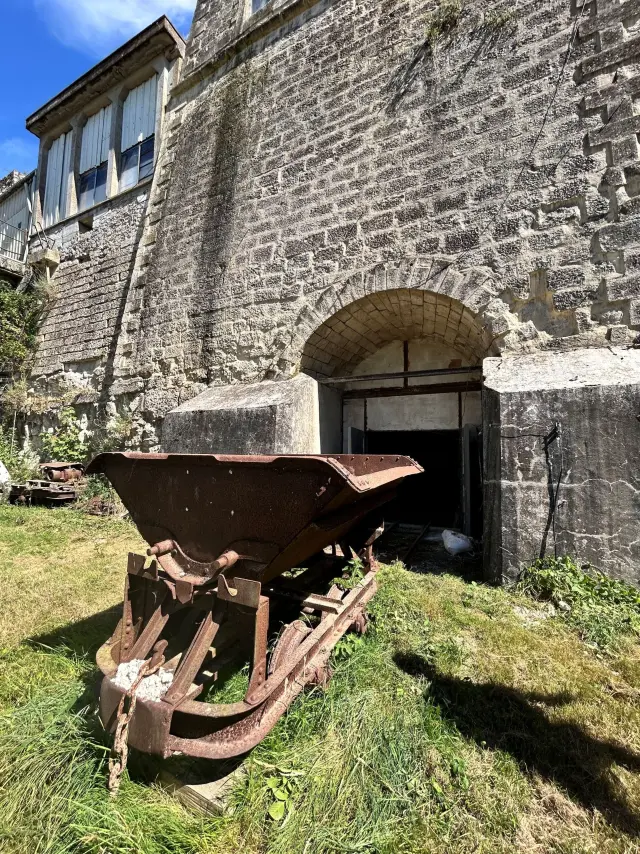
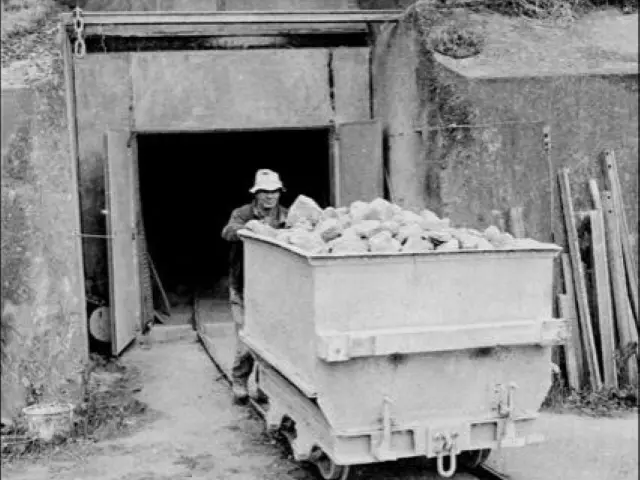
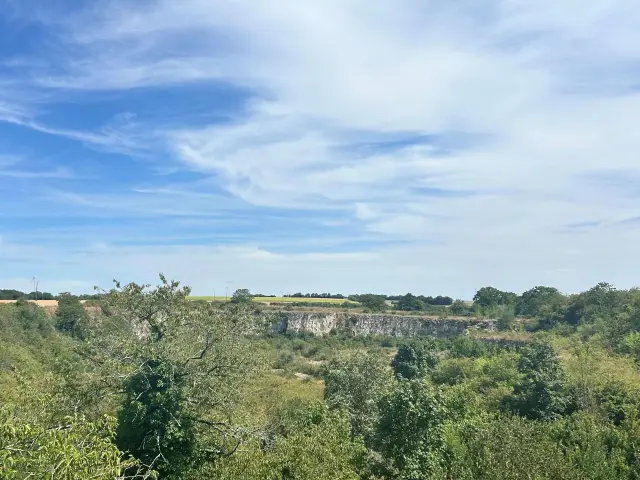
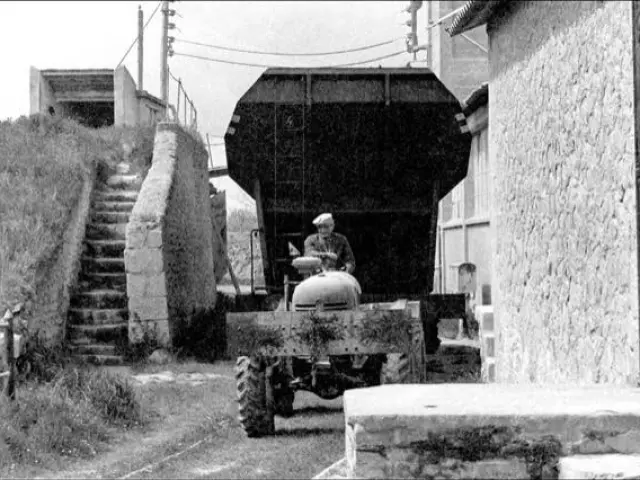
Your guide will first take you to the old quarry. Here, around fifty workers extracted the limestone with pickaxes and sticks of dynamite. The rock was then transported by horse-drawn wagons, then by winch to the furnace openings. On the way from the quarry to the furnaces, your guide will show you the remains of these installations. The route allows you to understand each stage in the production process and to follow the transition from raw material to lime. It’s a simple way to learn about the history of the site.
A preserved industrial heritage
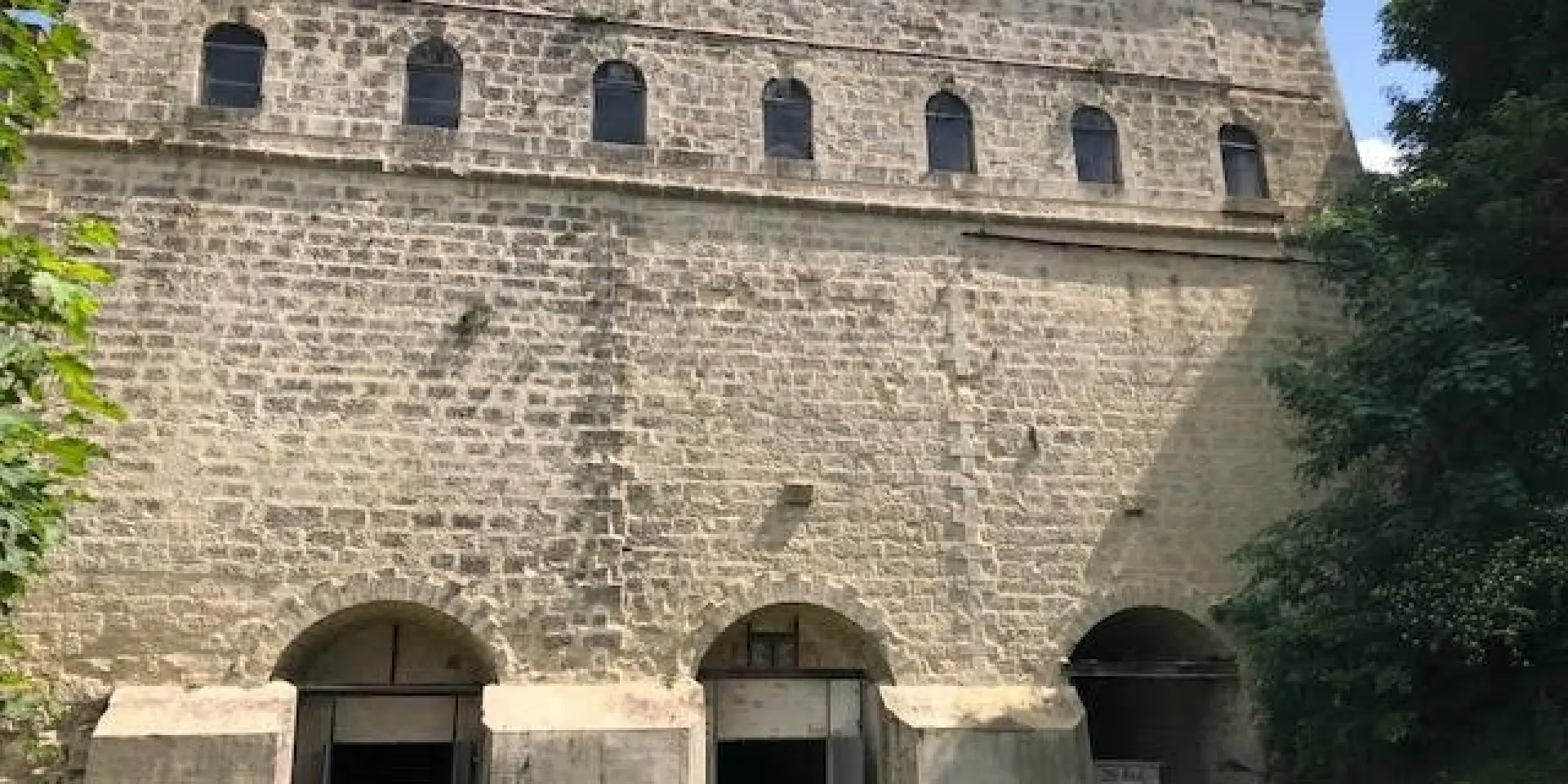
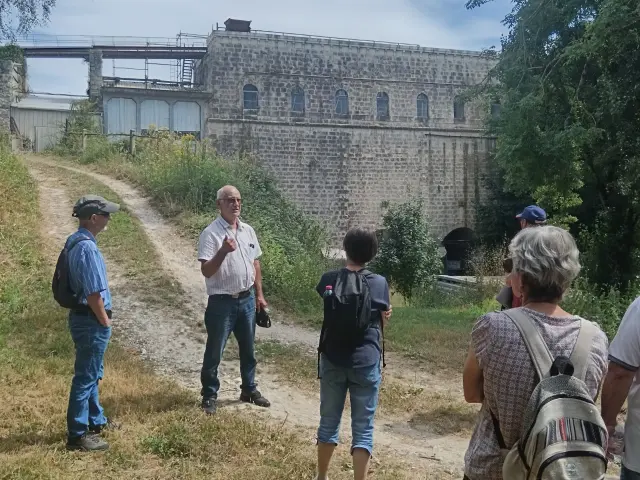
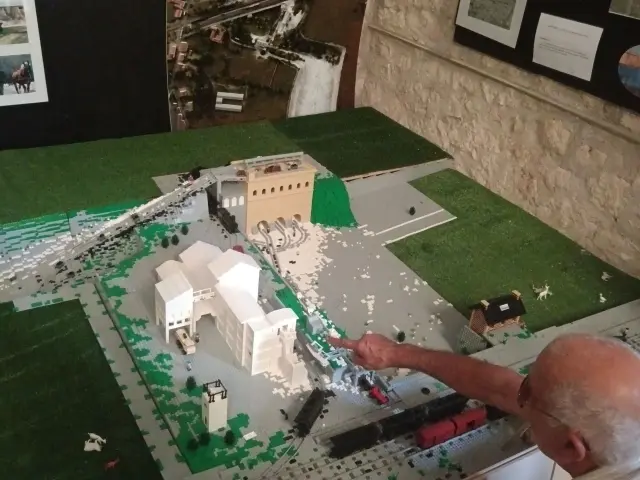
The Benet lime kilns form a rare heritage site comprising the kiln building, an adjoining tunnel running under an old railway line, and a former sifting mill.
In the centre stands the kiln building, a monument built in the Vauban style. It comprises 3 ovens of impressive dimensions, 20 metres high, 25 metres long and 14 metres wide. Protected as a Historic Monument since 1994, the site preserves the visible traces of an activity that had a lasting impact on the region until the early 1980s. It is now part of a Fondation du Patrimoine restoration campaign.
The 50-metre-long tunnel provided a safe route across the site to the quarry.
As for the bluttery, the last visible building, now partly converted into a museum, it was here that quicklime was crushed, slaked and cooled, bagged and managed shipments by rail or truck.
A history linked to Faymoreau
Throughout the visit, the site reveals its connections with the Faymoreau mines and the old railway line. The coal mined in the coalfields arrived by train and was used to fire the kilns, shedding light on the industrial organisation of the time. The lime produced at Benet was then sold for use in agriculture as a soil improver, for oyster farming and for cleaning up the walls in stables and hen houses. Here, heritage can be seen as a network.