
©

Famille dans le Marais Poitevin - Venise Verte

|

Notre Joyeux Bazar

Poitevin Marsh Explore Green Venice

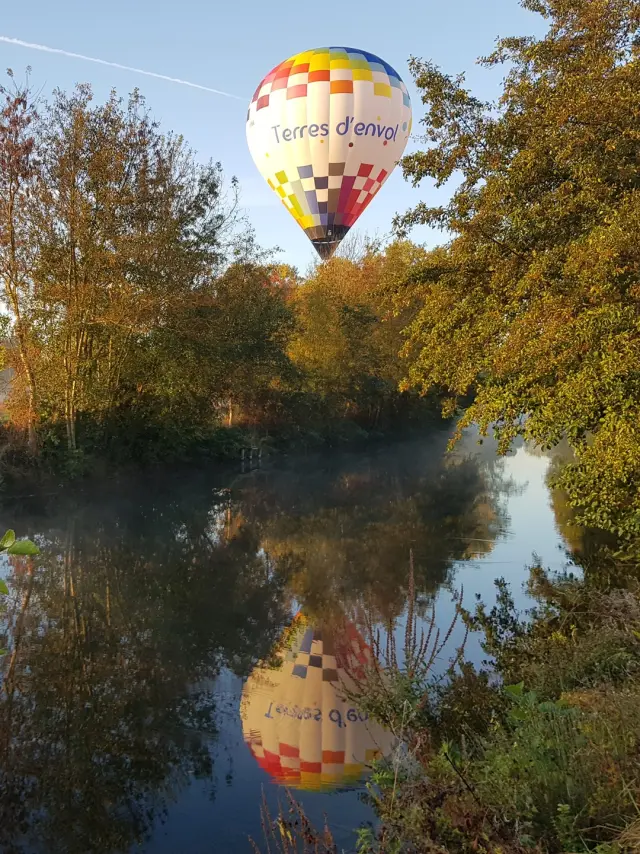
Miles of shady canals. Golden light gliding over the water. The silhouette of an abbey rising out of the greenery.

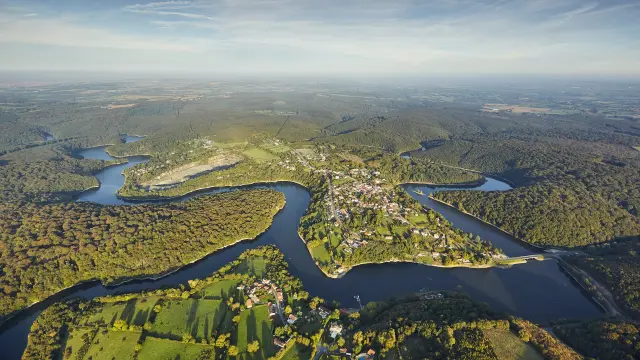
The Marais Poitevin, classified as a Regional Nature Park, is one of the largest natural areas in France. On the Vendée side of the border, it is a concentrate of nature, heritage and gentle or sporting adventures.
Here, you’re not just visiting. You’re on a quest!

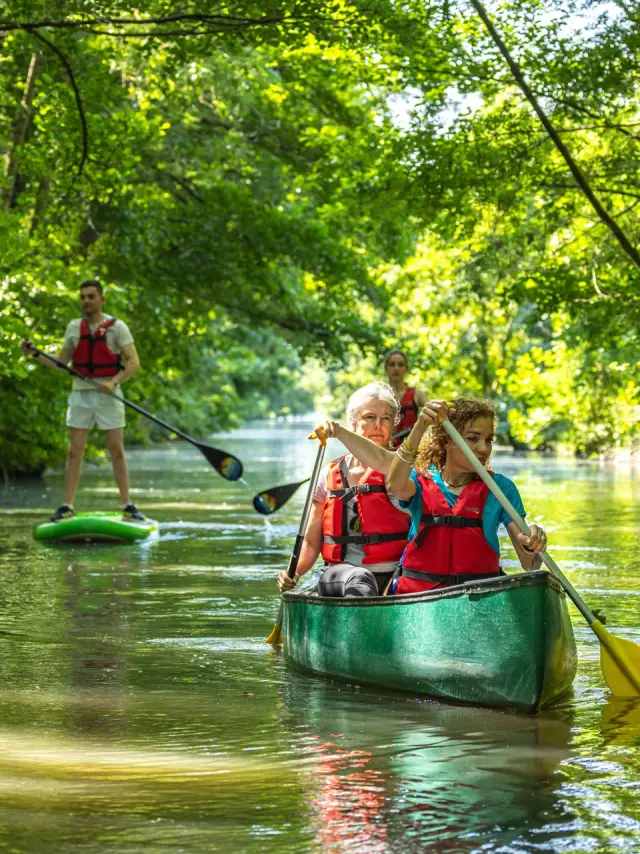
On foot, by bike, in a boat, at sunrise or dusk… we invite you to explore this labyrinth of greenery.

©

Label Marais Poitevin 2

What is the Marais Poitevin?

An internationally recognised area

The Marais Poitevin Regional Nature Park works to preserve and enhance the natural, cultural and human heritage of the largest wetland area on the Atlantic seaboard.

It covers almost 200,000 hectares, spread across the Vendée, Deux-Sèvres and Charente-Maritime, in the heart of the Pays de la Loire and Nouvelle-Aquitaine regions.

This exceptional area has been awarded a number of major distinctions:

  • Ramsar site, a wetland of international importance
  • Regional Nature Park, classified in 88 communes
  • Grand Site de France, part of which has been designated for the quality and uniqueness of its landscapes.

Nearly 200,000 people live in and shape this region, which has been shaped by man since the Middle Ages.

Here, nature is not static.
It is inhabited, cultivated, protected and passed on.
Your adventures in the Marais Poitevin

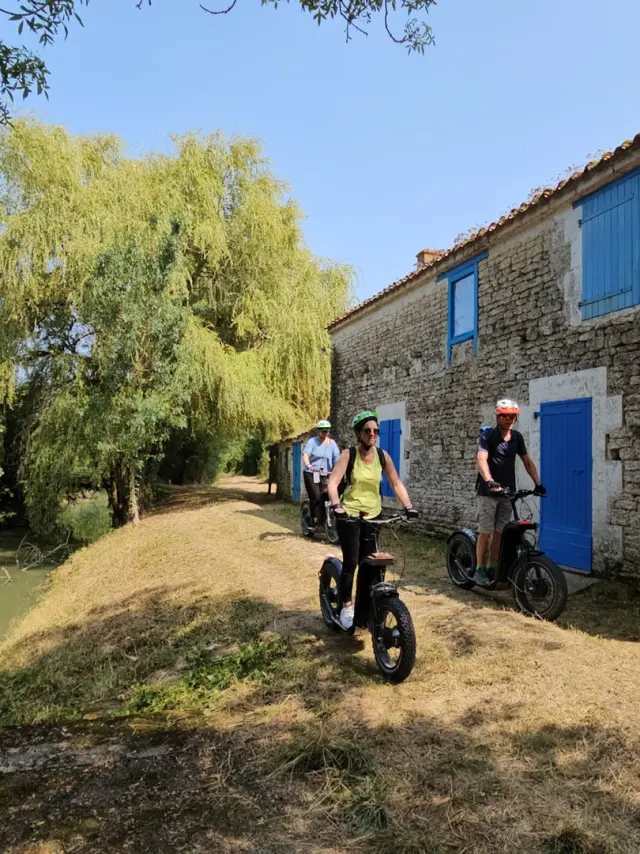
There are many ways to explore the Marais Poitevin. You can paddle further, pedal harder and take on a challenge. You can slow down, observe the wildlife and protect this fragile landscape. Or you can go back in time and unlock the secrets of the stones and canals.

Every path tells a story. Yours begins here.

So what kind of hero are you?

New explorers

Guardians of nature

Storytellers

Boat trips in Green Venice

It’s impossible to talk about the Marais Poitevin without mentioning its piers.

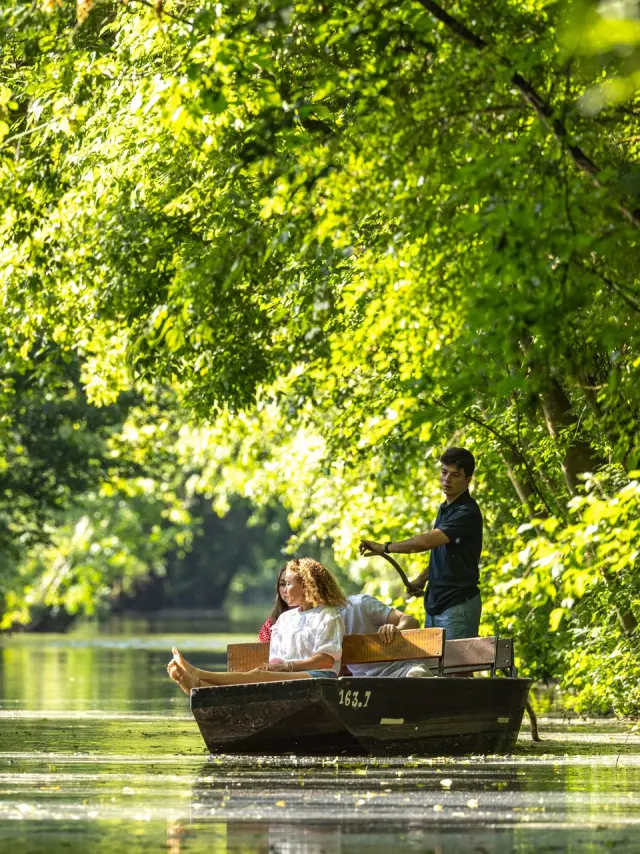
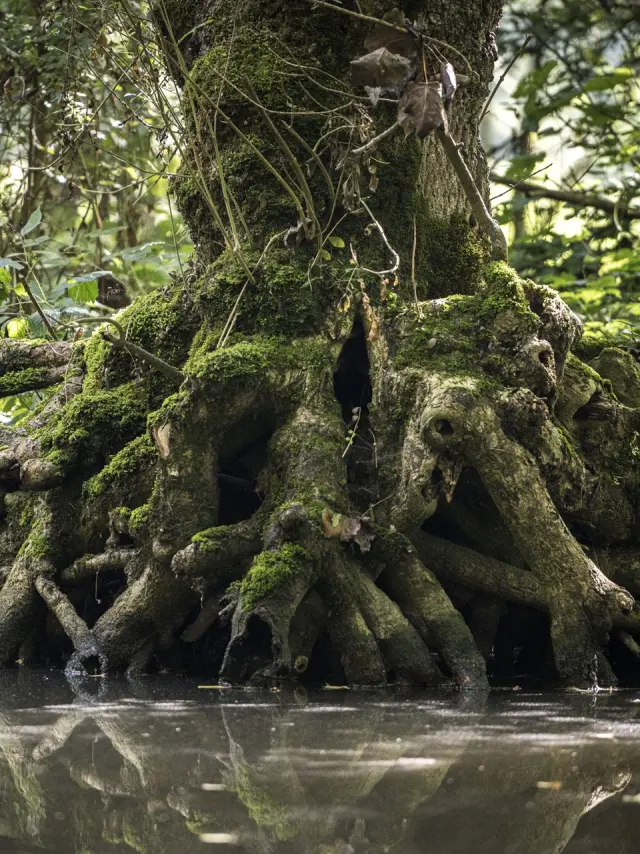
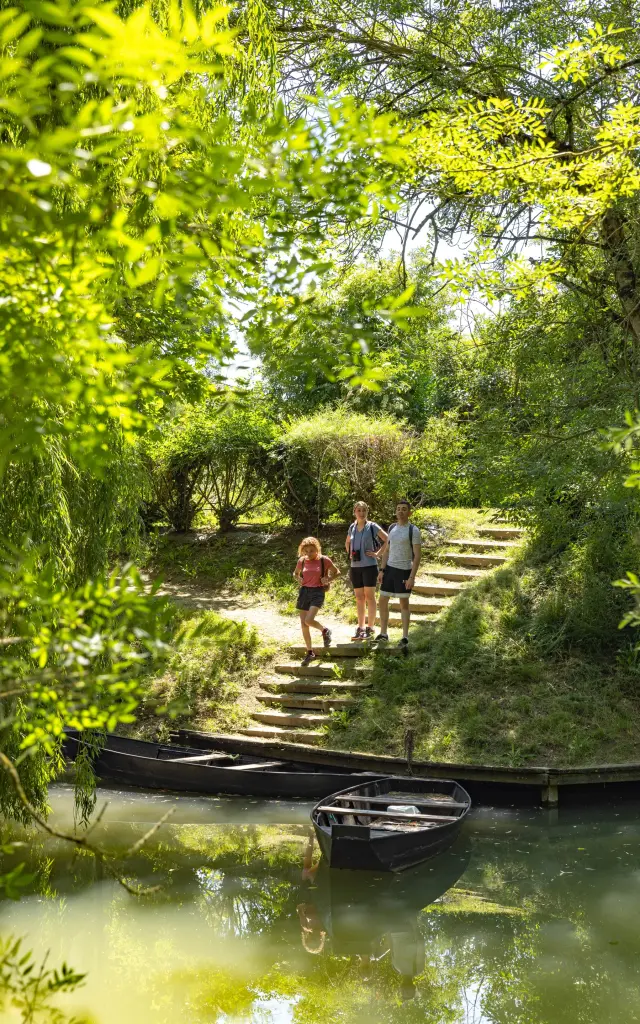
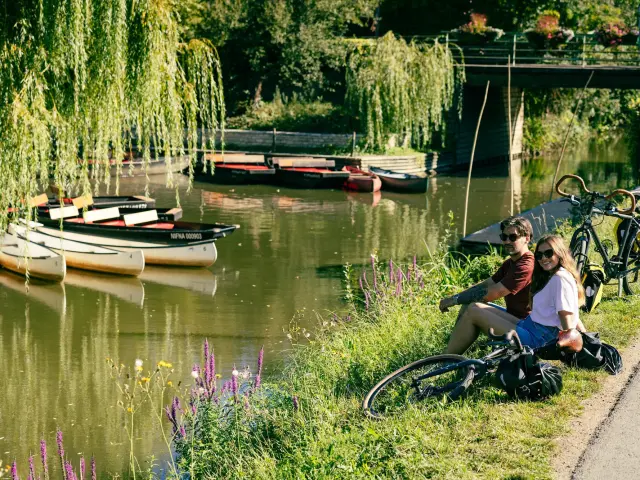
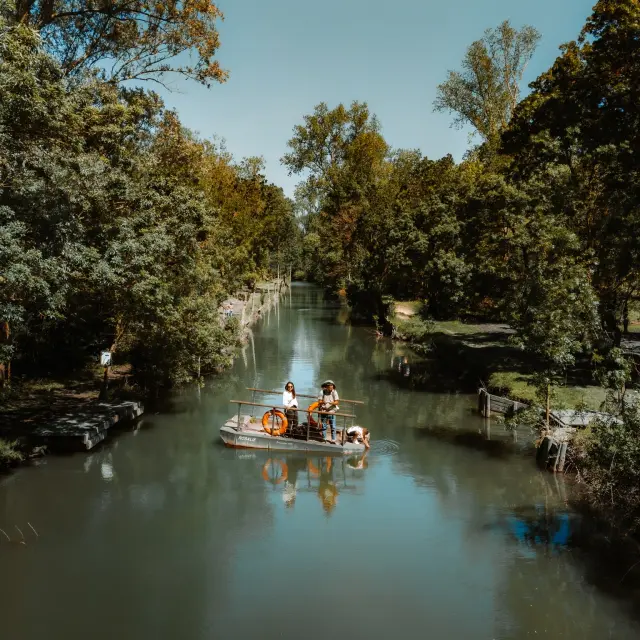
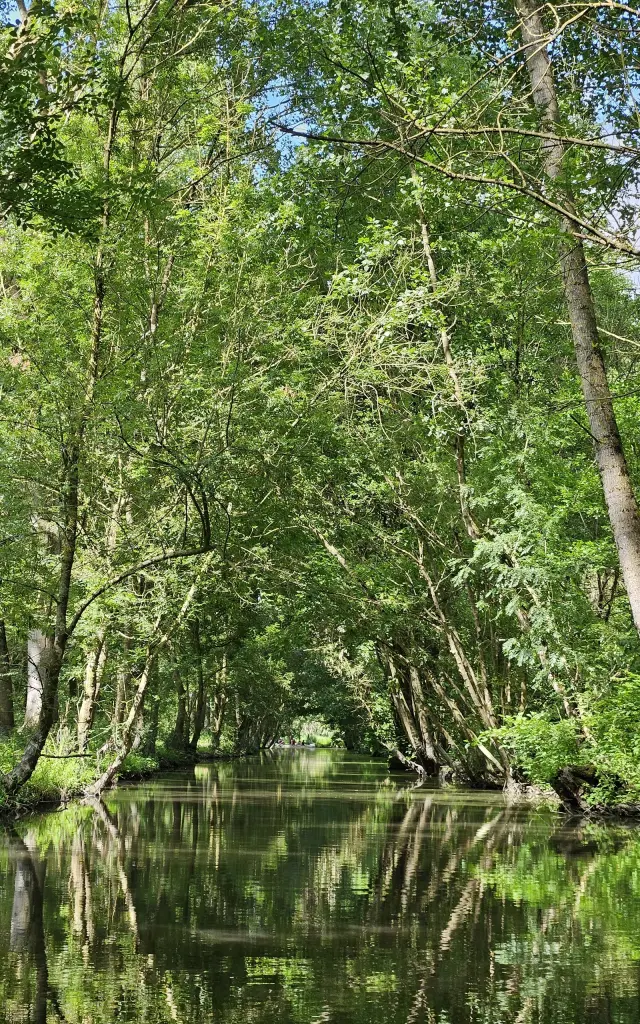
This is the starting point for exploring the Venise Verte, a labyrinth of canals lined with pollarded ash trees. You can take a guided or self-guided boat trip on the water, gliding through a landscape that has been shaped since the Middle Ages.

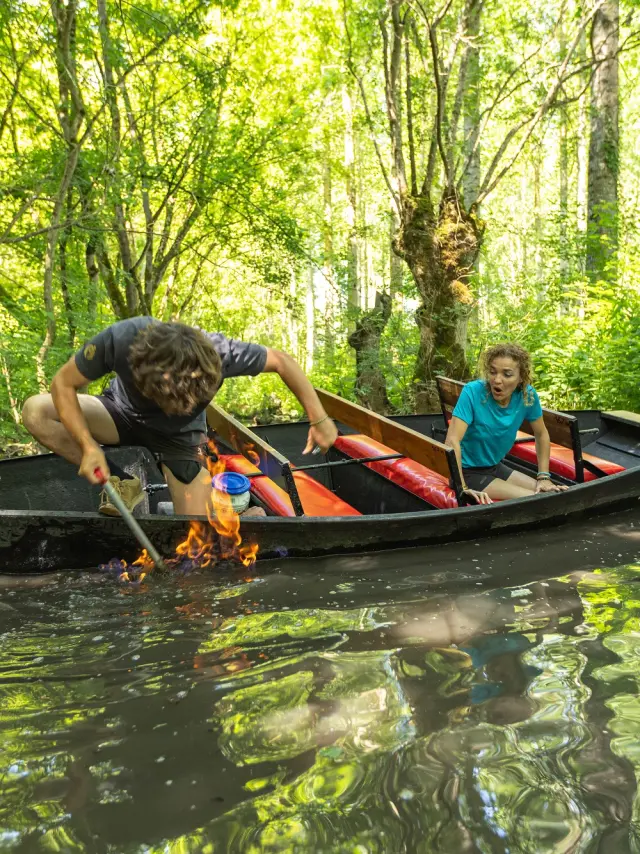
In the Vendée, several landing stages offer different tours (1h, 1h30, 2h or more), with or without a guide. Sunrise, fire on the water, guided nature walks… each tour reveals a different facet of the marshes.

Walking tours in the Marais Poitevin

The Marais Poitevin on foot is a natural, sensory… and sometimes playfulimmersion.

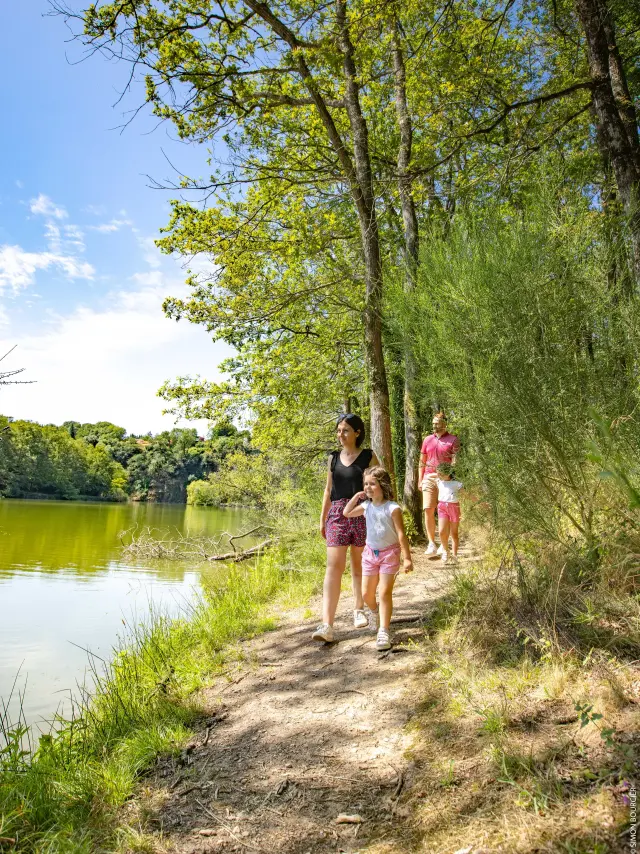
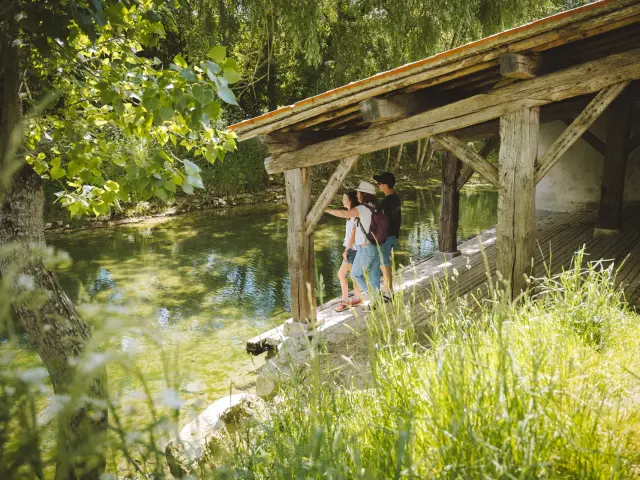
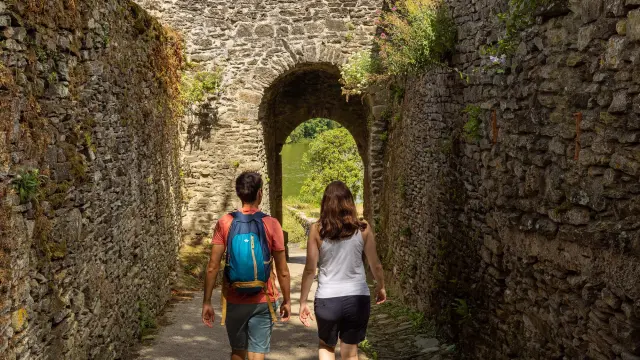
Footpaths along the conches, shaded terrées and towpaths, communal areas opening out onto the horizon: walking is a great way to get close to biodiversity and understand how water shapes the landscape.

The region offers a number of accessible signposted trails , perfect for families.

Walking here means going behind the scenes of the Regional Nature Park at your own pace.

Bike rides in the Marais Poitevin

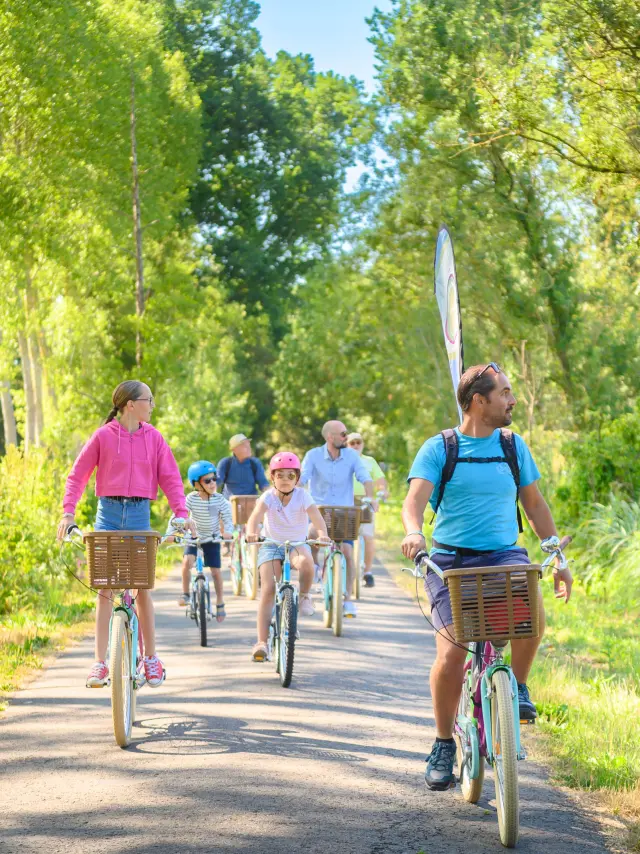
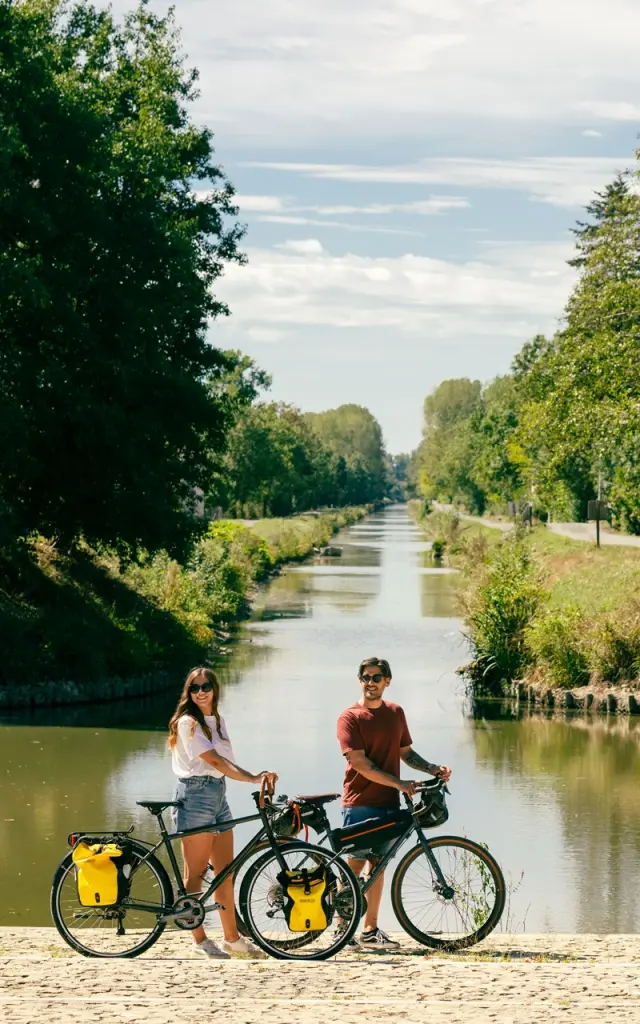
The Marais Poitevin by bike is one of the most pleasant playgrounds in western France.

With its flat terrain, safe greenways and canal-side towpaths, the Marais Poitevin has everything you need for a gentle, accessible way of exploring the region. The Vélo Francette and the Vendée Vélo cross the region, offering day trips and itineraries.

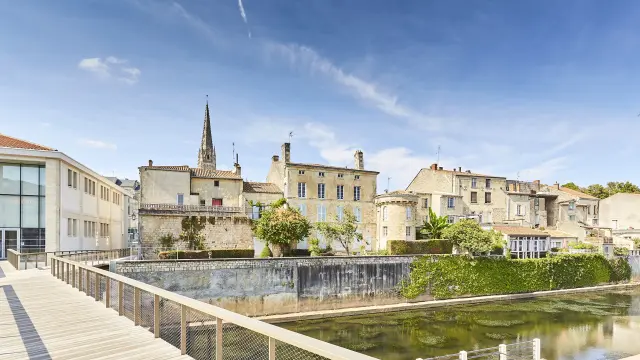
By bike, you can link villages, landing stages, abbeys and open countryside in complete freedom.

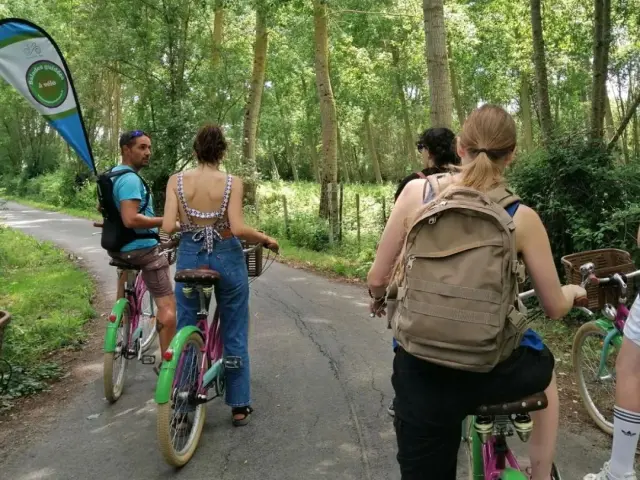
Want to go further afield? Accompanied by a local guide, set off on a guided cycle tour and discover the secrets of the marshes along the way.

Places to visit not to be missed!

The Marais Poitevin is more than just a waterway.

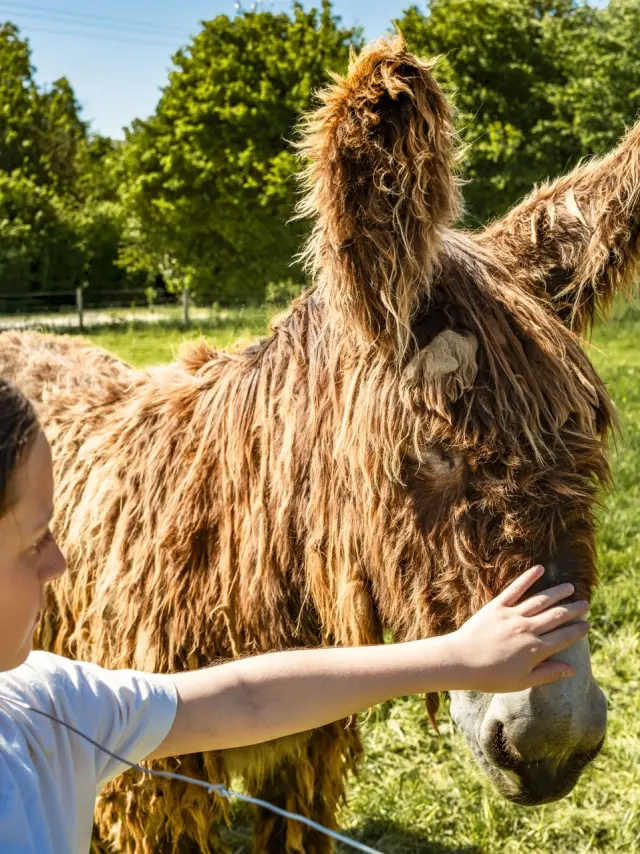
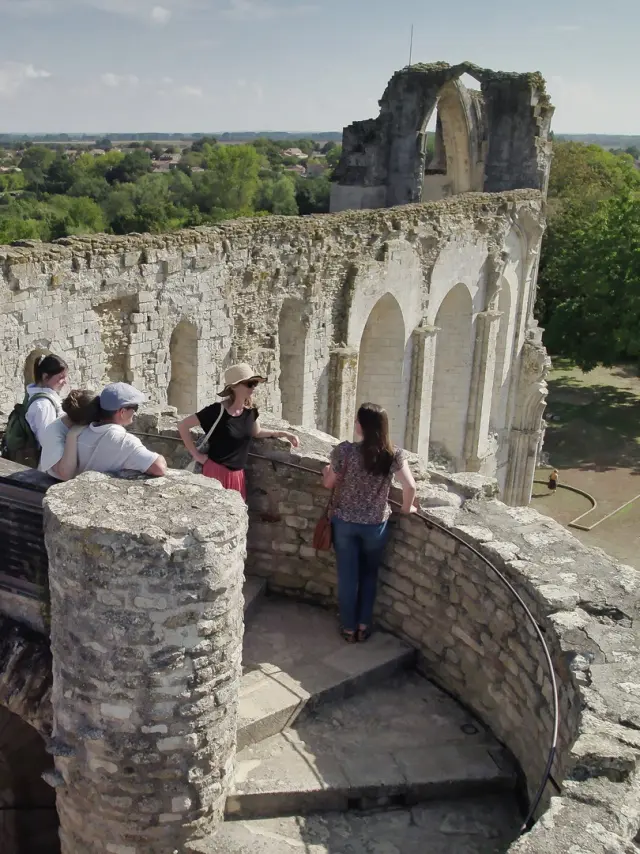
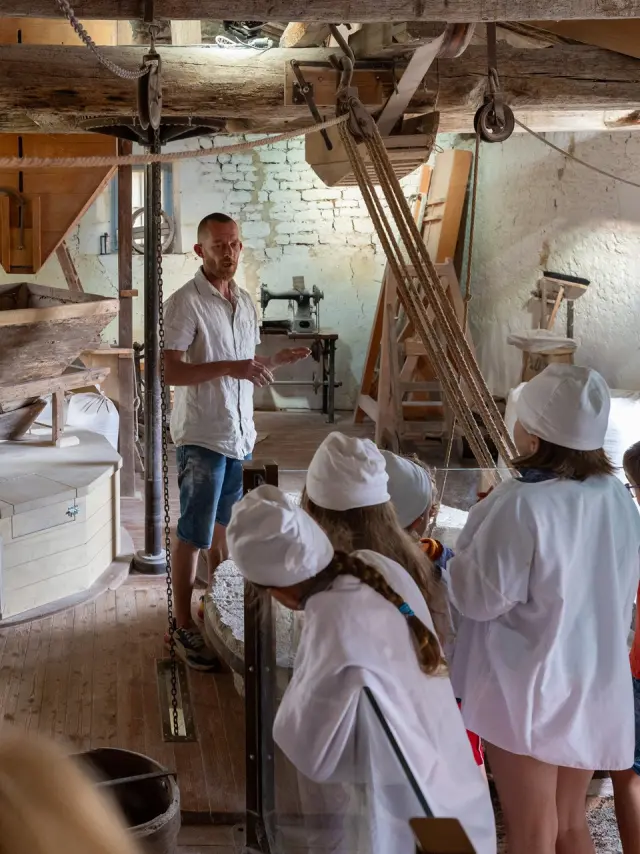
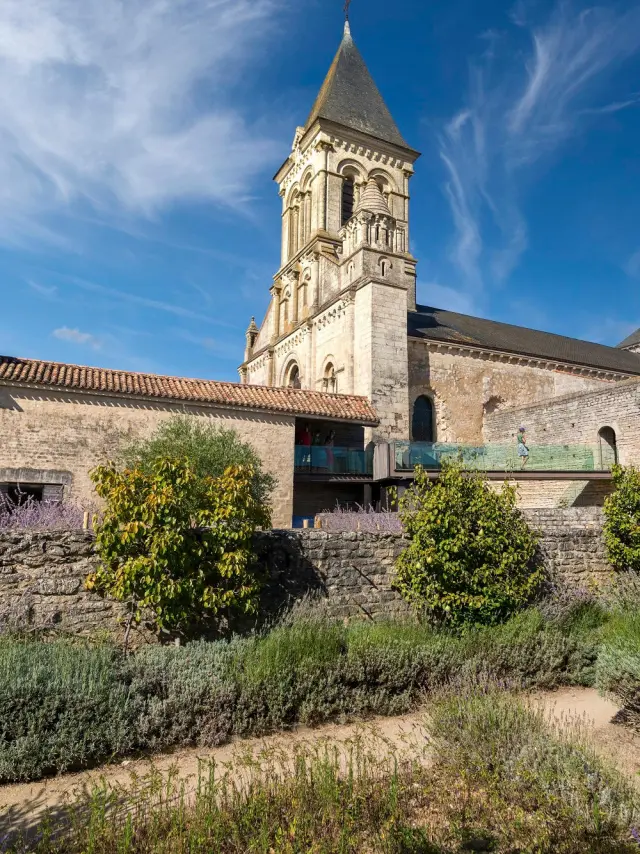
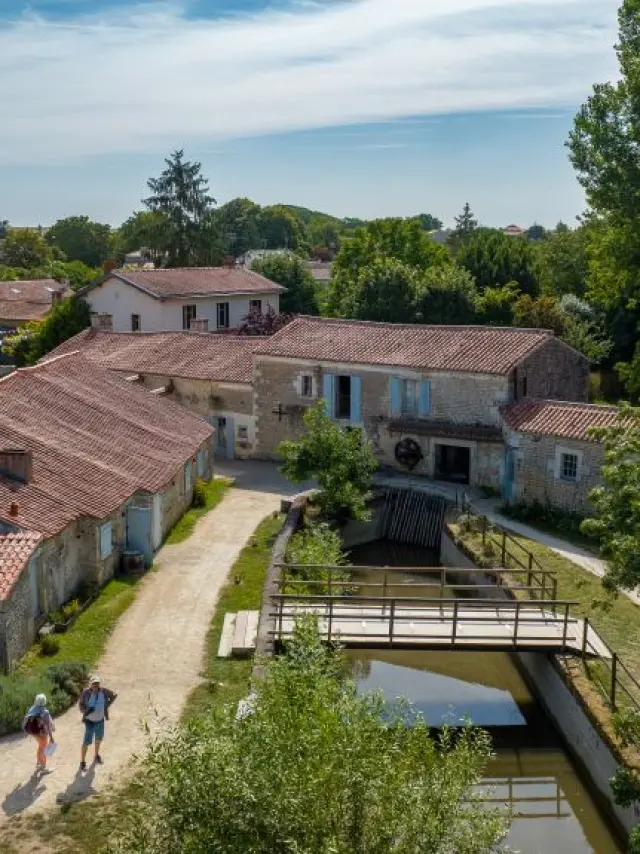
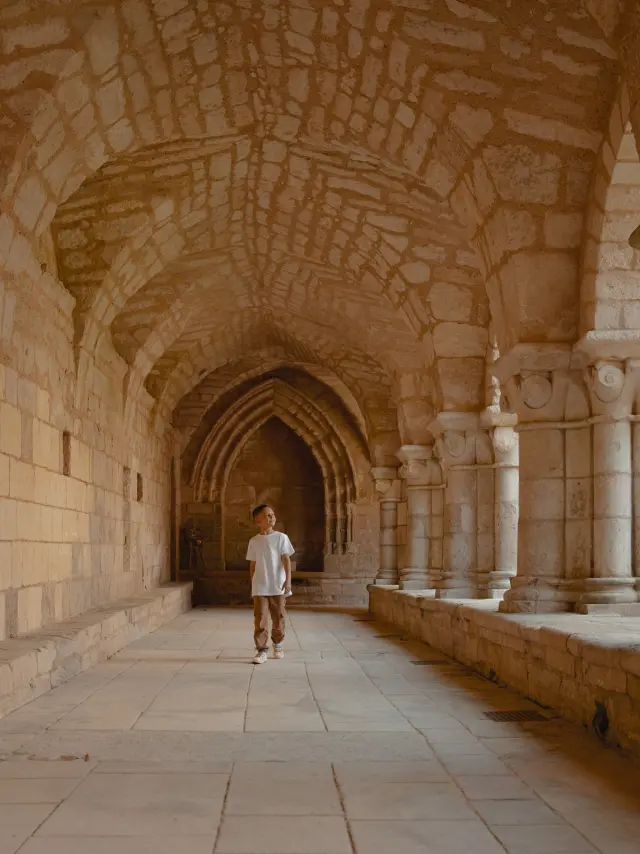
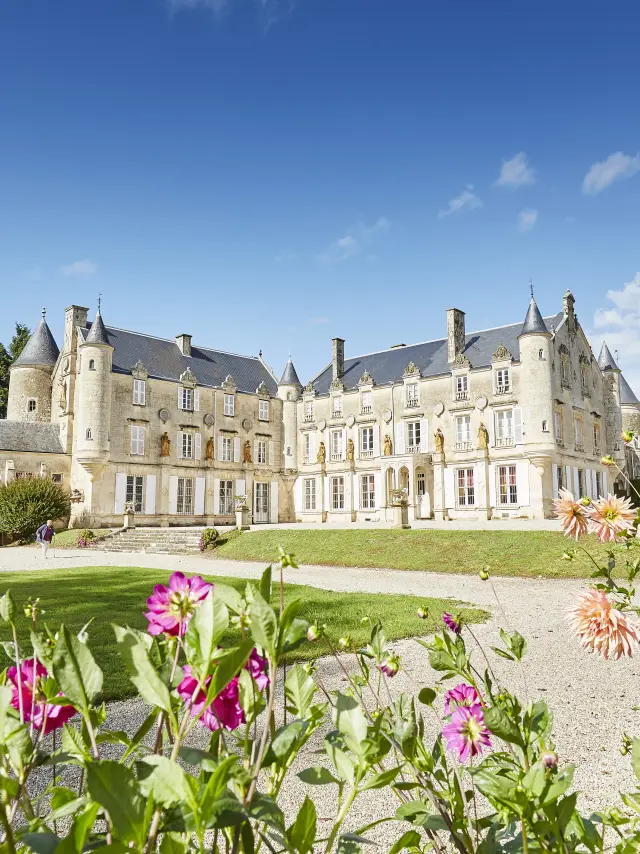
It is also home to a number of major sites: abbeys, castles, watermills and educational farms. These emblematic sites offer visitors a chance to discover the heritage, history and skills that have shaped this landscape.

These are just some of the must-see places to visit to complete your exploration of the Marais.

Frequently asked questions
  • Where is the Marais Poitevin located?

    The Marais Poitevin lies between the Vendée, Deux-Sèvres and Charente-Maritime. In the Vendée, it offers privileged access to the Venise Verte and a number of landing stages (just 15 minutes from Fontenay-le-Comte).

  • How was the Marais Poitevin created?

    The Marais Poitevin is a real human achievement… and not a small one.

    Around 10,000 years ago, this area was not a marsh but a vast marine gulf: the Gulf of the Pictons. Gradually, the sea retreated, leaving behind a wetland that was unstable and difficult to farm.

    From the 12th century onwards, everything changed. Man embarked on a colossal project: digging canals, building dykes and installing hydraulic works to control the water.

    For centuries, monks, lords, engineers and inhabitants transformed this hostile territory into an organised and productive area.

    In total, more than 100,000 hectares were developed. What was once an inhospitable marsh gradually became a land of life, structured and inhabited.

    Today, this titanic construction is still visible everywhere: in the straight canals, in the locks and hydraulic structures, in the very organisation of the landscape…

    The Marais Poitevin is much more than just a natural setting:
    it’s an area patiently shaped by man, generation after generation.

    A collective achievement that has become one of the most unique landscapes in Europe.

  • Why is the Marais Poitevin nicknamed the Green Venice?

    The area known as the “Venise Verte” (Green Venice) corresponds to the wet marshes: a labyrinth of canals lined with pollarded ash trees where you can travel in a “plate” (traditional boat), in a shady, green atmosphere.

    This name, which is widely used today, is not an official designation but an expression that has entered everyday language to evoke the unique, plant-based character of the marshes.

  • Why has the Marais Poitevin been awarded the label?

    The Marais Poitevin is an area recognised for its ecological, landscape and human values, through a number of labels.
    These labels are not just “honorary”: they imply concrete commitments to preserve the marsh… and enhance your experience of it.

    Regional nature park

    The Regional Nature Park (PNR) label is awarded to inhabited areas recognised for their rich natural and cultural heritage.

    In the Marais Poitevin, this means protecting biodiversity (fauna, flora, landscapes), supporting human activities (agriculture, tourism) and preserving the area’s identity.

    Grand Site de France

    The Grand Site de France label rewards emblematic sites, known for their beauty… but above all for their exemplary management.

    In the Marais Poitevin, this means preserving the emblematic landscapes of the wet marshes, controlling the number of tourists and guaranteeing a respectful discovery of the site.

    Ramsar

    The Ramsar label is a worldwide recognition awarded to wetlands that are important for biodiversity.

    The Marais Poitevin is recognised for: its essential role for migratory birds, the richness of its wetlands and its ecological importance on a European scale.

  • How long does it take to visit the Marais Poitevin?

    A day’s outing gives you the chance to explore the area for the first time (boat trip, bike ride, etc.). To fully explore the region, a weekend or a 3 to 5-day stay is ideal.

  • Does the Marais Poitevin have opening times?

    No. The Marais Poitevin is not a closed park with an entrance or timetable like a leisure site.

    It’s a living area, made up of villages, natural landscapes, farms and people who live there all year round. It is therefore freely accessible, day and night. However, certain activities (landing stages, visitor sites, museums, bike hire, etc.) have their own opening times depending on the season.

    The Marais Poitevin never “closes”. You can visit, discover and experience it all year round.

  • When is the best time to visit the Marais Poitevin?

    Spring, summer and autumn are ideal for water sports, cycling and sightseeing. Most landing stages and tourist activities are open from Easter to All Saints’ Day.

    In winter, the Marais Poitevin can be discovered in a wilder, quieter atmosphere. The area remains accessible all year round, but some activities are closed and some footpaths and cycle routes may be temporarily inaccessible due to winter flooding.