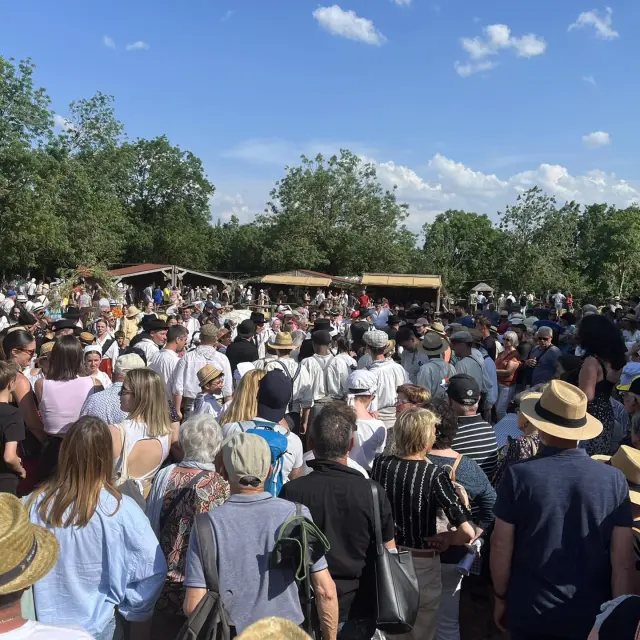
The Parc du Château de L'Hermenault is open for the Journées du Patrimoine and the Rendez-vous au Jardins from 2pm to 6pm.
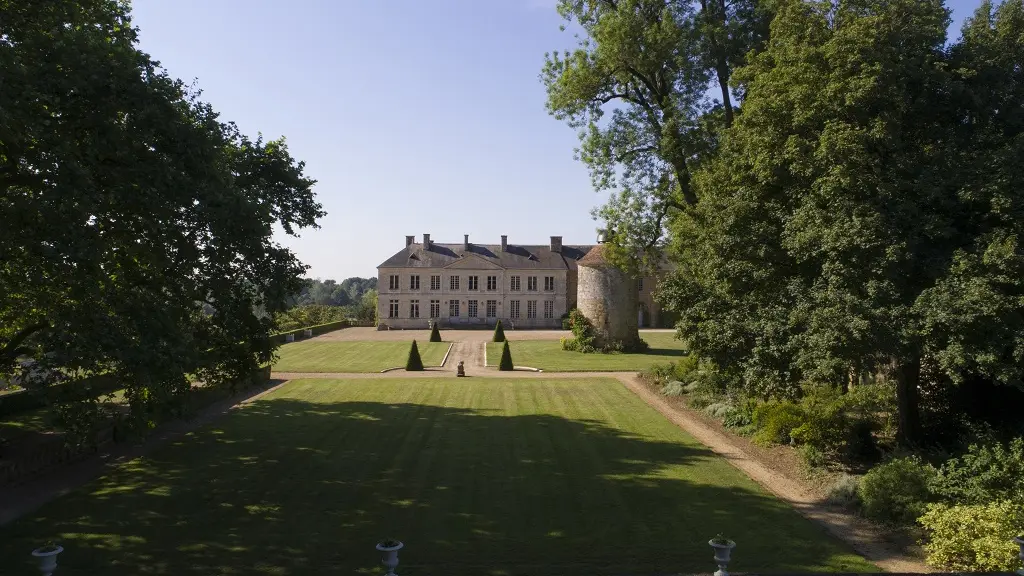
In the southern Vendée, come and discover the grounds of the 17th- and 18th-century Château de l’HERMENAULT.
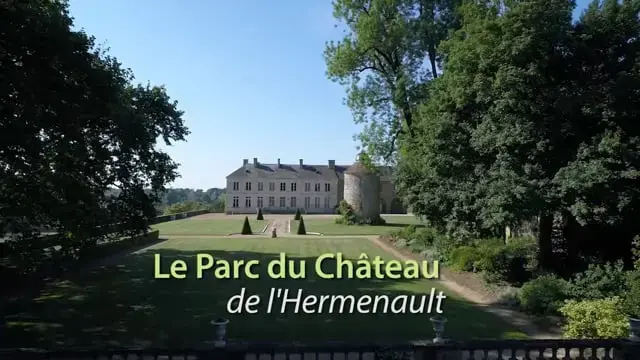
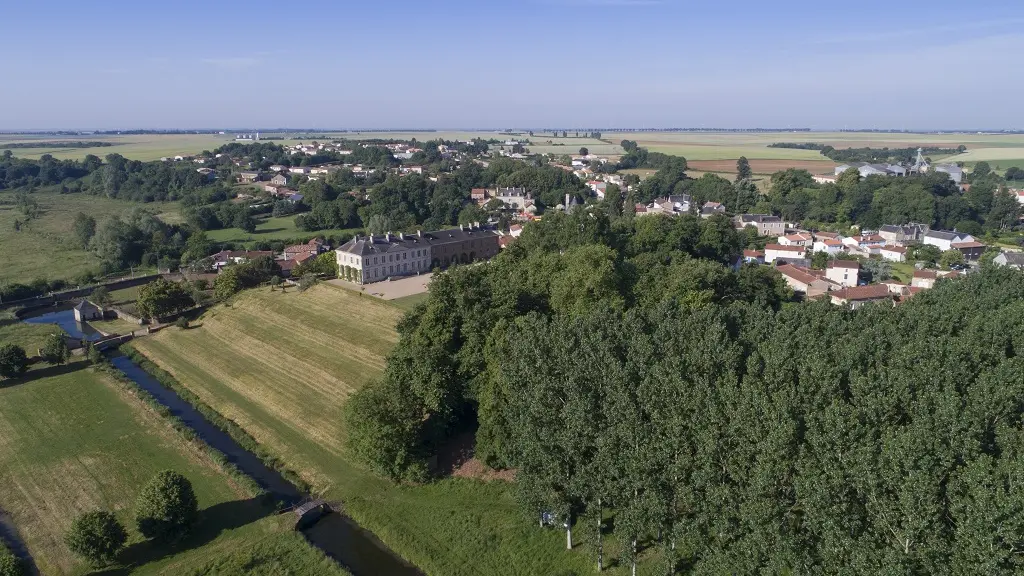
Type: a formal French-style park laid out in the 17th and 18th centuries. Listed in the Supplementary Inventory of Historic Monuments. Winner of the 2009 French Heritage Society Award.
Former summer residence of the bishops of Maillezais and La Rochelle.
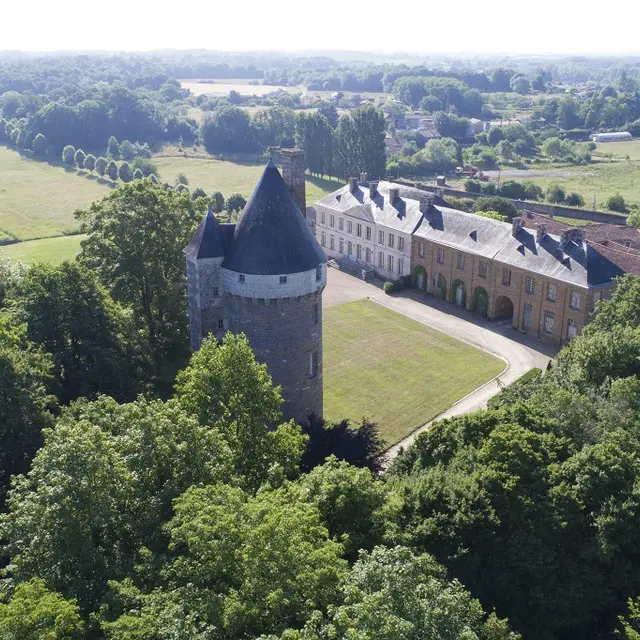
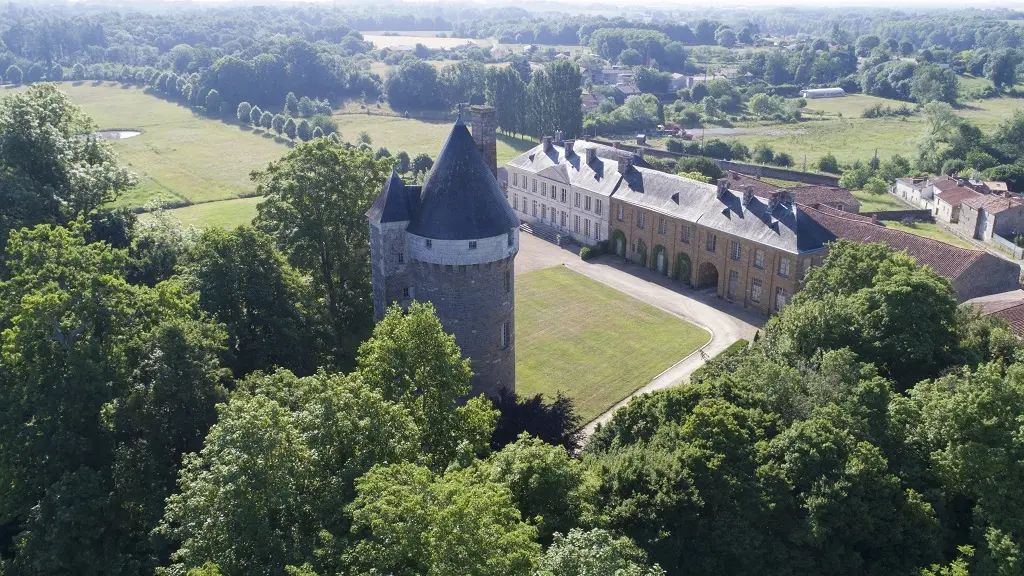
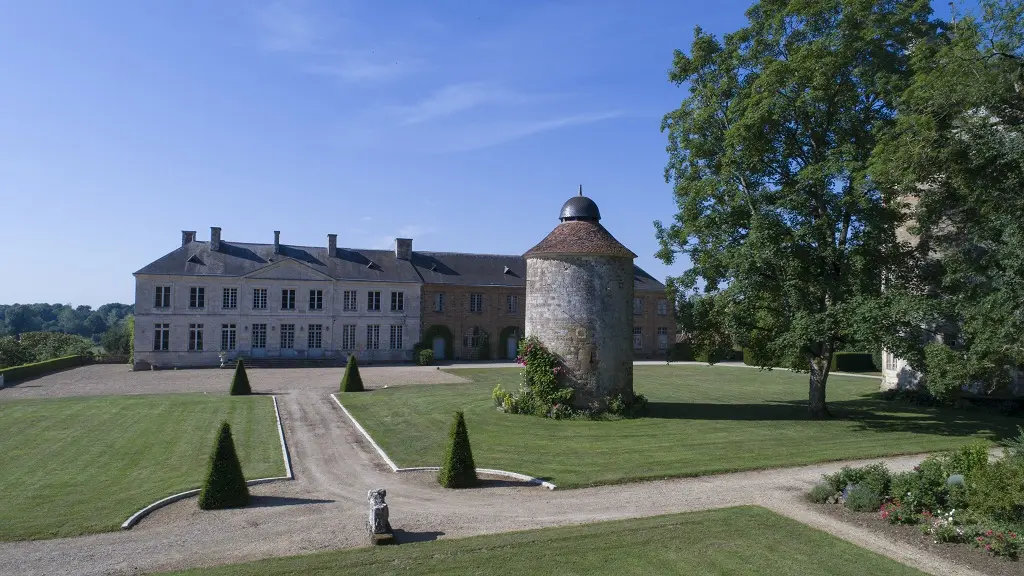
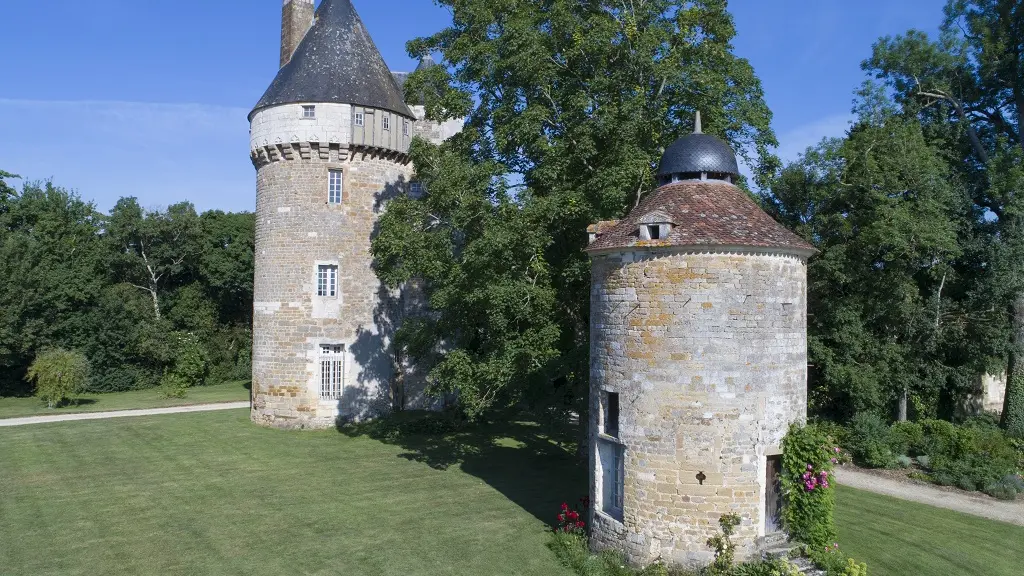
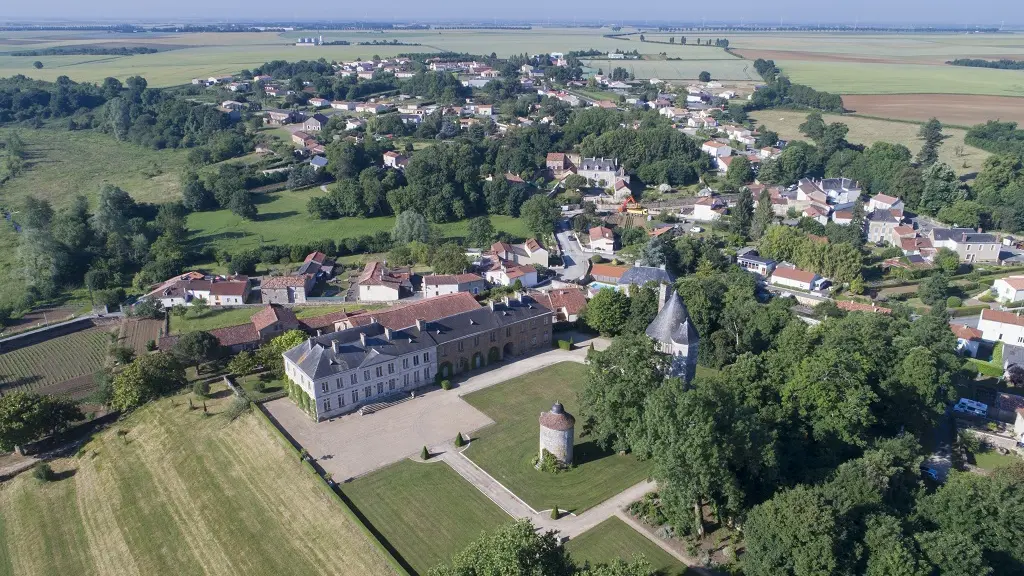
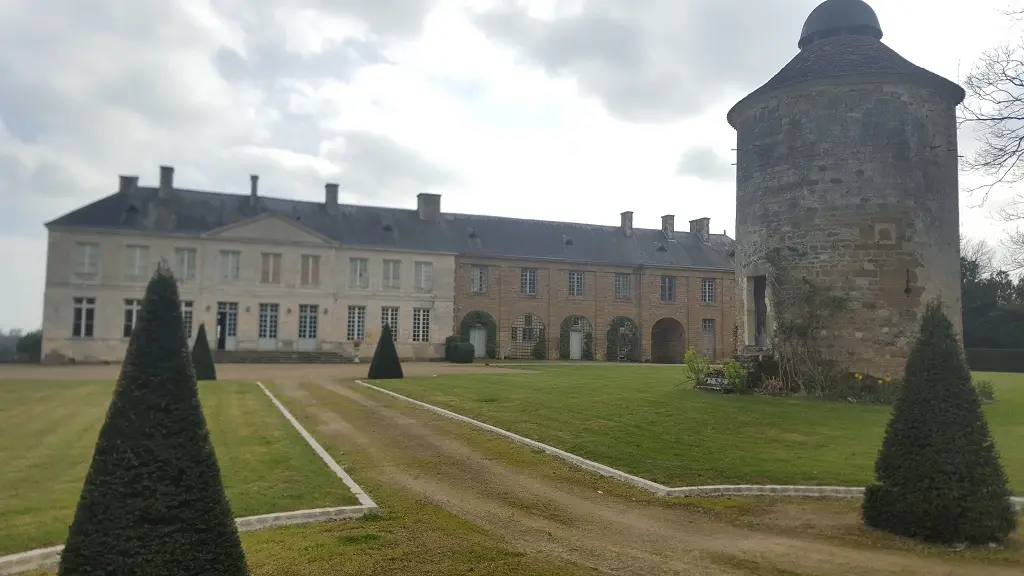
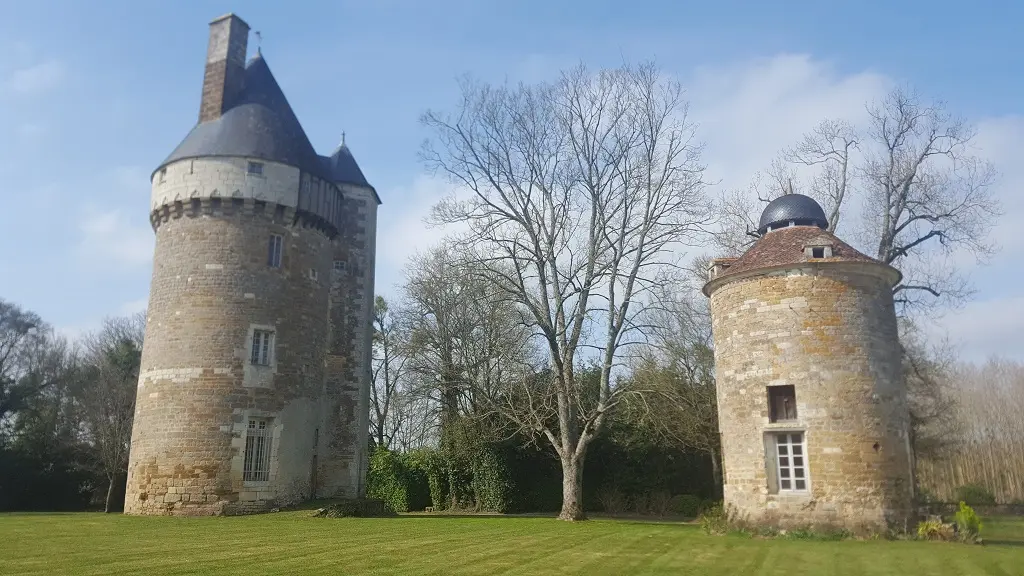
Occupied since prehistoric times, the site was successively home to a Gallo-Roman villa and then a feudal motte, before the foundation in 1003 of a fortified priory attached to the new Abbey of Maillezais. The former 15th-century powder tower, later converted into a dovecote, is the sole surviving remnant of this monastic era.
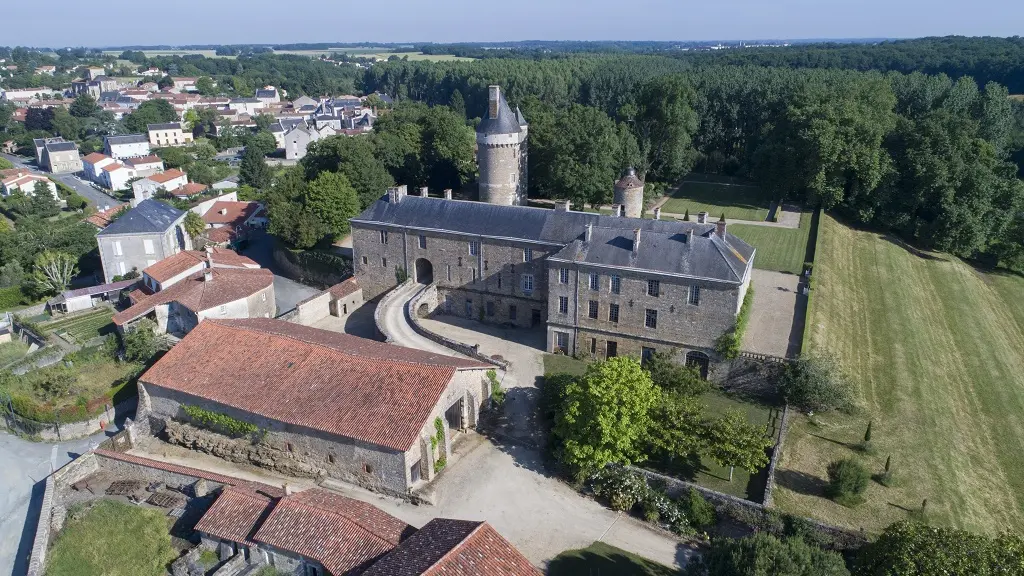
In the 16th century, Geoffroy d’Estissac, Bishop of Maillezais, decided to have his summer residence built there in the Renaissance style. Rabelais, the bishop’s secretary, stayed at L’Hermenault on several occasions and, whilst in exile in Rome, had plane tree saplings sent there; these gave rise to the remarkable centuries-old plane trees that can be admired today, which are amongst the oldest in France.
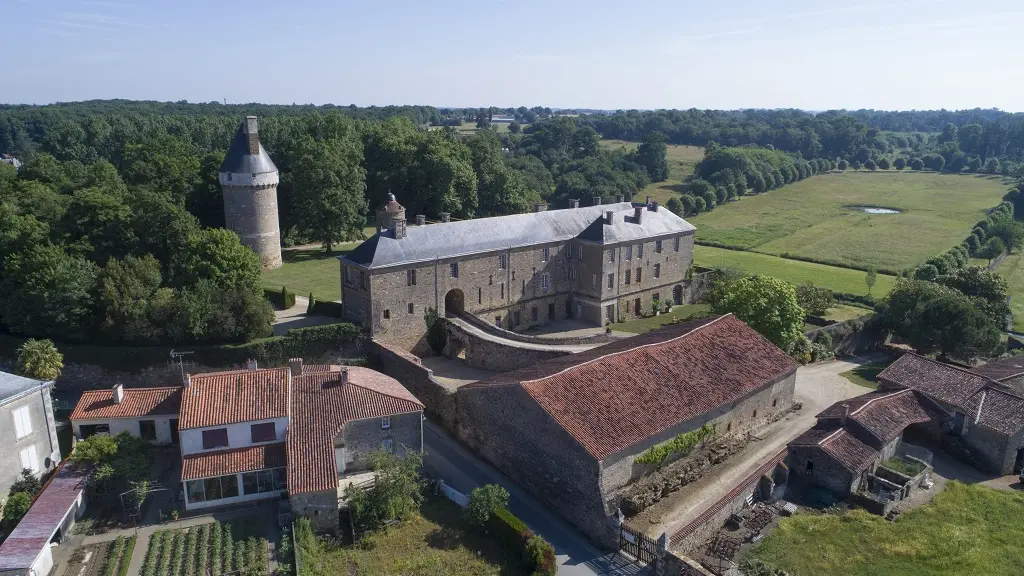
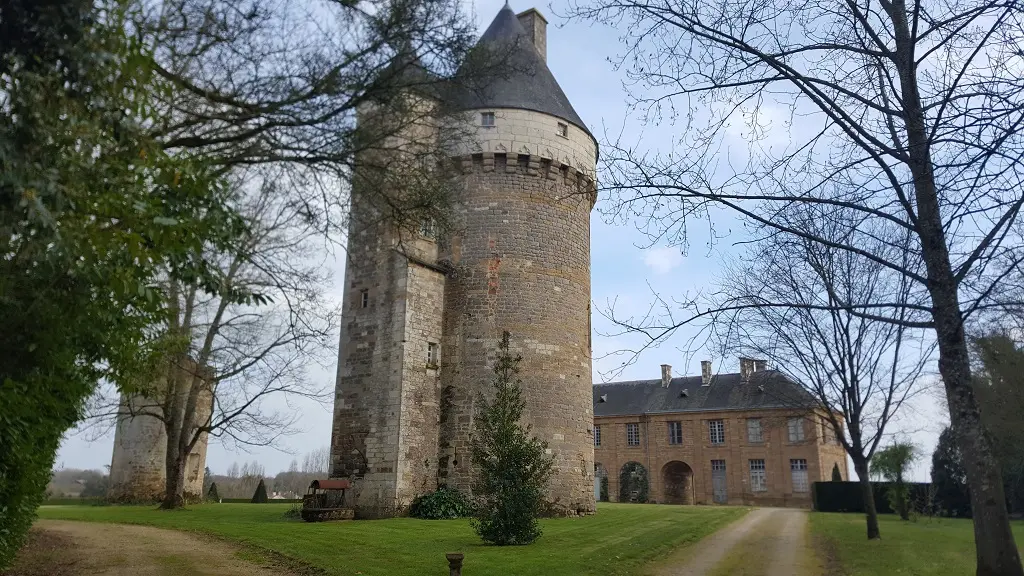
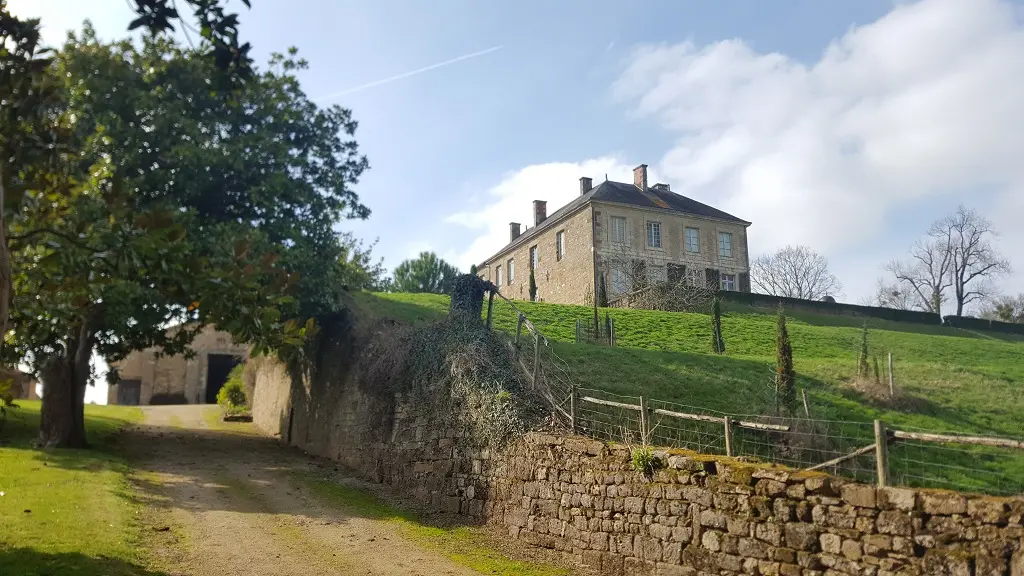
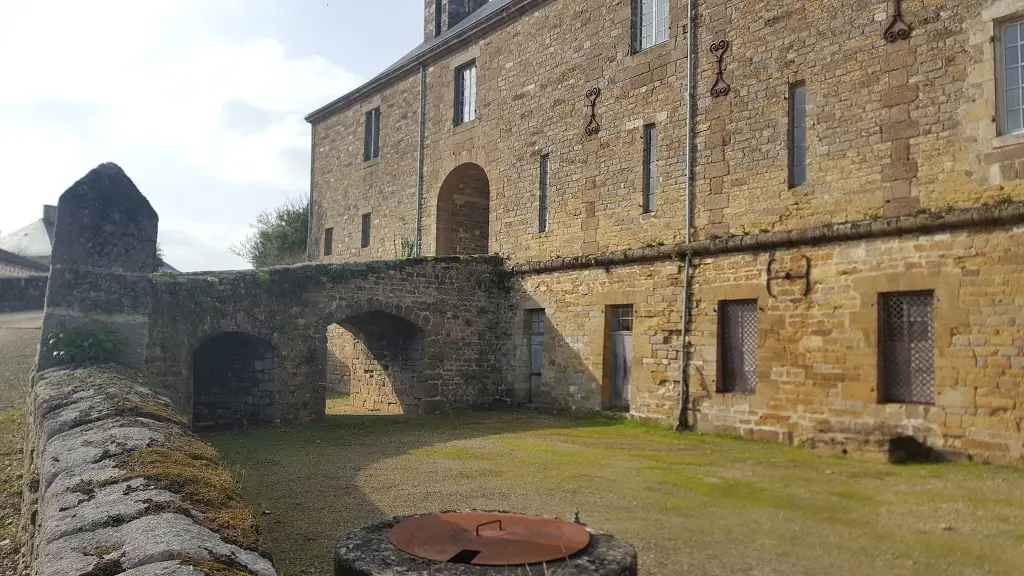
In the 17th century, following the destruction of L’Hermenault and Maillezais during the Wars of Religion, the bishop’s see was transferred to La Rochelle. Successive bishops restored the Renaissance castle and completed it by building the present-day castle: a long building with arcades, which was subsequently partly remodelled in the 18th century in the classical style.
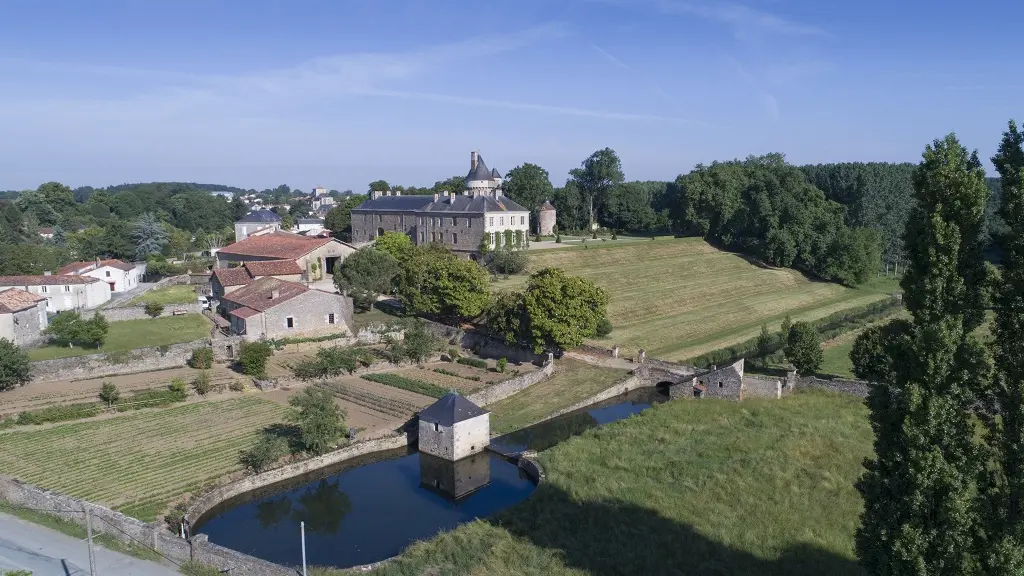
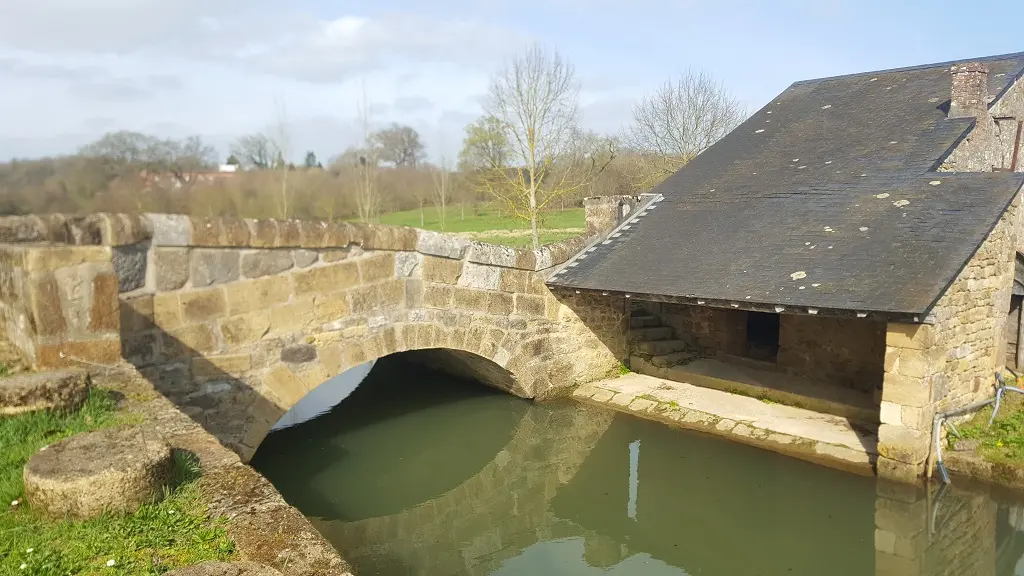
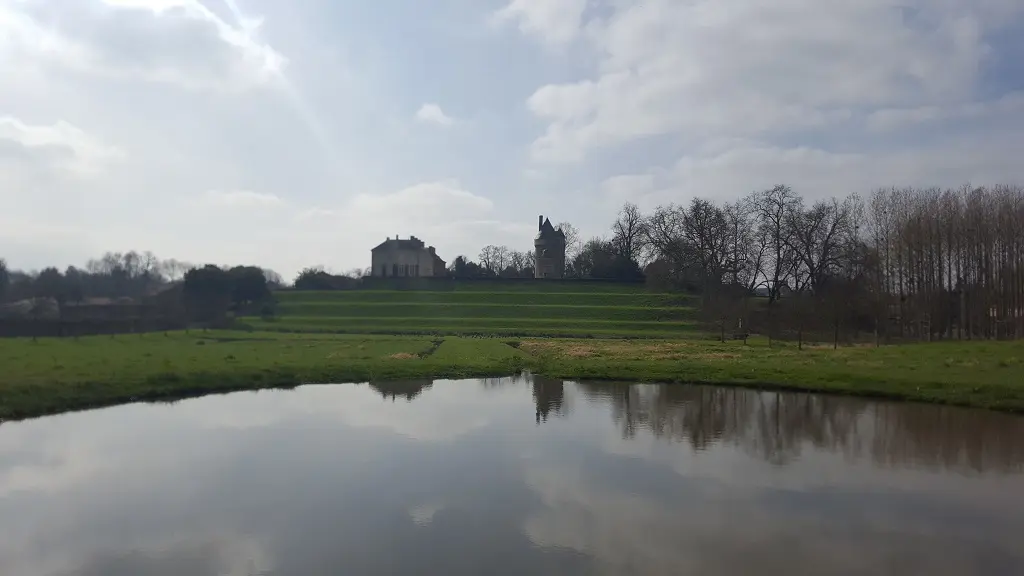
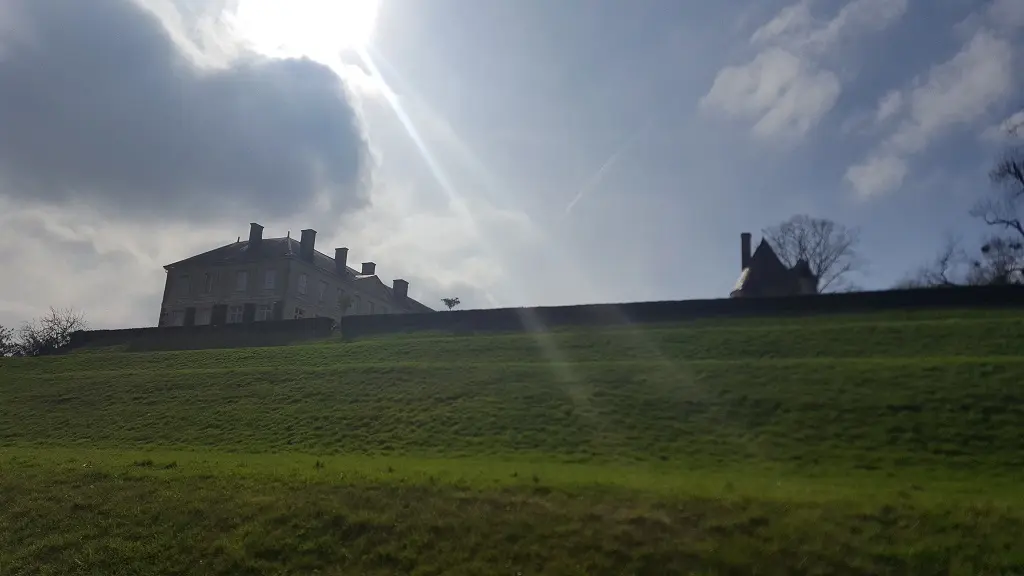
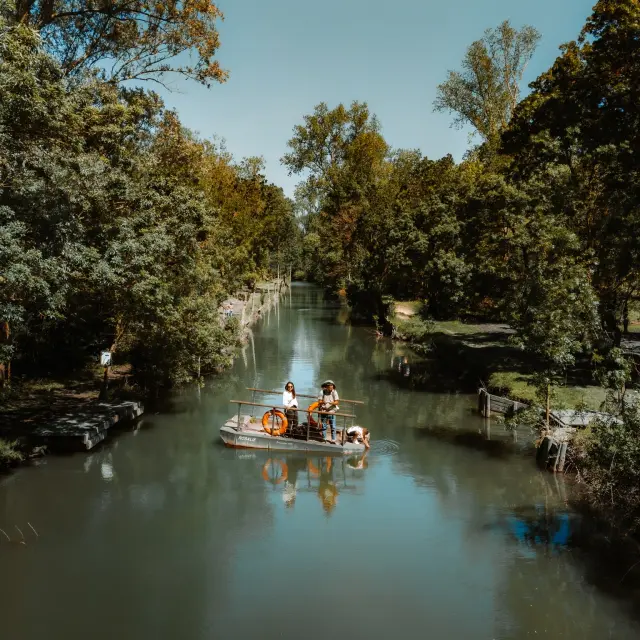
At the same time, the formal park was laid out: four grass-covered terraces, each 110 metres long, connect the castle’s platform to the channelled River Longèves, which runs alongside a large semi-circular meadow centred on a reflecting pool. A stone bridge, a wash house, a watermill, a horse-bathing pool and a kitchen garden were incorporated into the grounds.
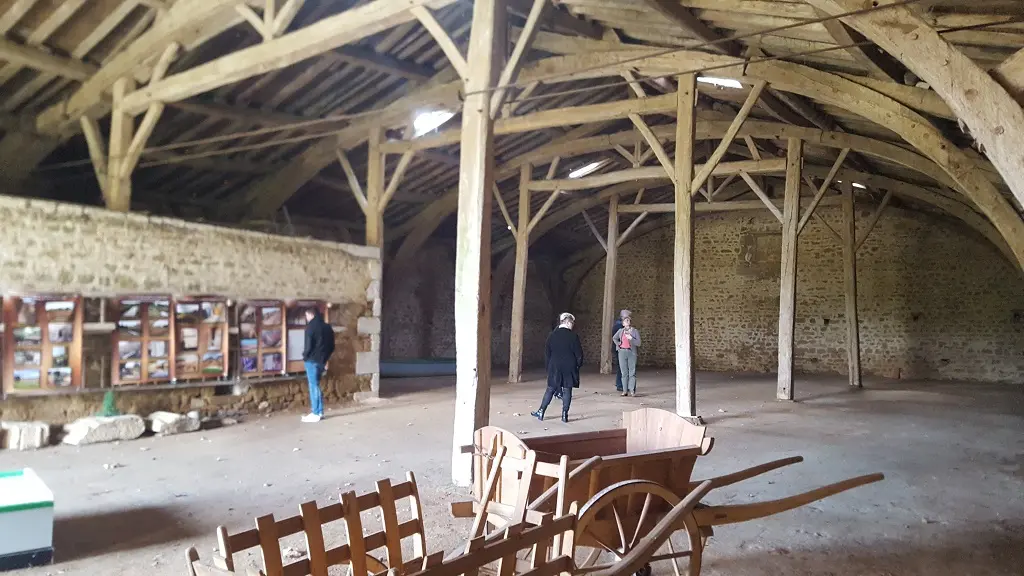
A colossal barn dating from the early 17th century, with a remarkable roof structure in the style of Philibert Delorme, completes the site’s unique architectural richness.
During the Revolution, the Renaissance château was once again destroyed and then dismantled for its stone; only the tall Estissac tower remains.
Purchased in 1806 by Pierre Godard des Breuzes, a colonel in the Imperial Army, the property has remained in the same family ever since.